
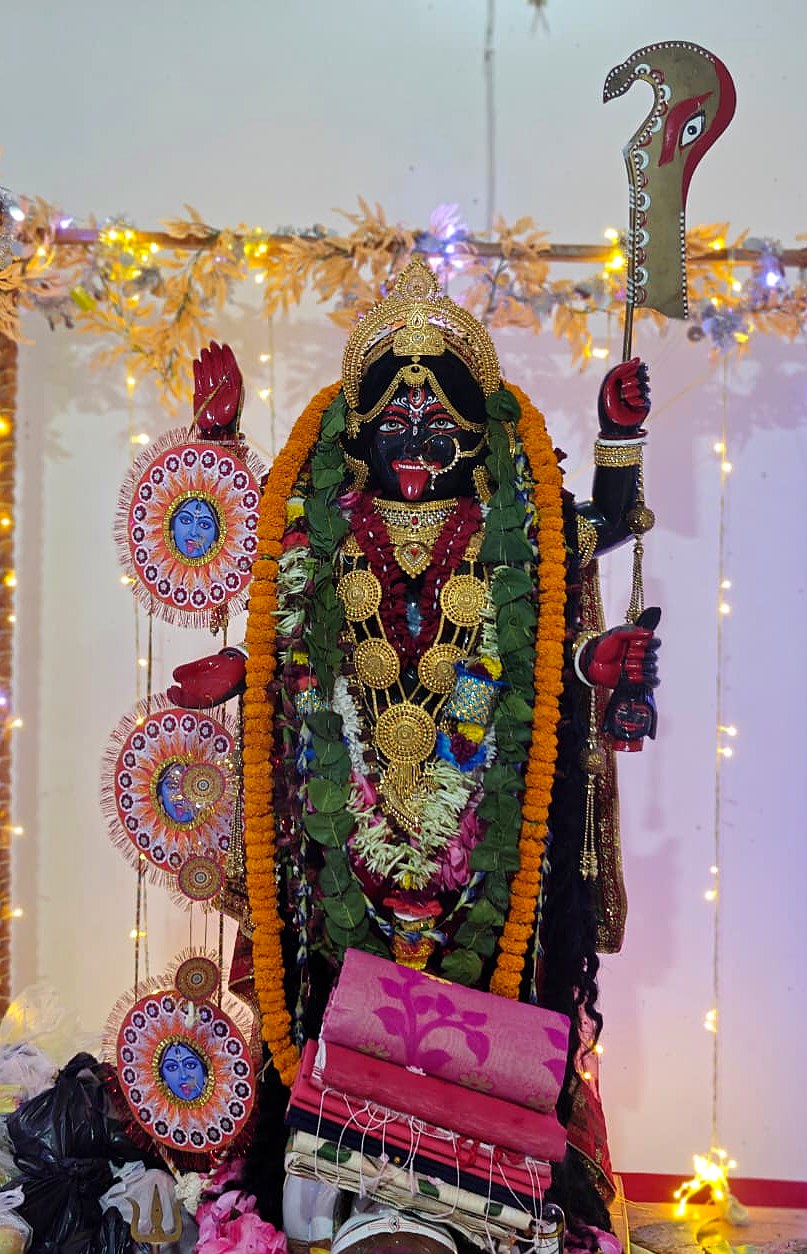
Maa Kali dressed with lights, flowers, and the scythe of the shrine.

Sacred Learning

Mantra Library: Sound, Meaning and Practice

Discover the source, pronunciation, meaning and traditional context of sacred mantras.

Drafted — awaiting review

A mantra is a measured sound given for remembrance. Some lines live in a saṃhitā; some close an Upanishad; some a house has sung at dawn for generations. Each card here names its source, prints the Sanskrit, and keeps translation, meaning, and Ashram explanation in separate layers.

This first shelf holds twenty-four public mantras — Vedic, śānti, Gāyatrī, Gaṇeśa, Śiva, Devī, Viṣṇu-Kṛṣṇa, Sūrya, well-wishing, and the openings of puja. Seed-syllables and initiation sequences stay with the Guru. A practice note tells how a house may sit with the sound; it does not sell a count or a result.

When recitation audio is ready, it will sit on the same card, slow and ordinary. Until then, the IAST line and the Bengali reading aid are the ear’s companions.

Praṇava (Oṃ) śruti as the seed-syllable of Veda (traditional). Printed here as the single syllable ॐ. Gāyatrī mantra ṚV 3.62.10 (Savitr Gāyatrī) Mahā-mṛtyuñjaya mantra ṚV 7.59.12 Saha nāv avatu Taittirīya Upaniṣad, śānti (also Kṛṣṇa Yajurveda student-teacher peace). Pūrṇamadaḥ Bṛhadāraṇyaka Upaniṣad 5.1.1 śānti (also Īśāvāsya śānti in some recitations). Asato mā sad gamaya Bṛhadāraṇyaka Upaniṣad 1.3.28 (pavamāna śānti). Bhadraṃ karṇebhiḥ ṚV 1.89.8 Oṃ śrī gaṇeśāya namaḥ Public nāmamantra of Gaṇeśa (Purāṇic-devotional Vakratuṇḍa mahākāya Public Gāṇapatya śloka Oṃ namaḥ śivāya Pañcākṣarī Sarva-maṅgala-māṅgalye Devī Māhātmya (Durgā Saptaśatī) 11.10 (vulgate numbering of the Caṇḍī). Yā devī sarvabhūteṣu Devī Māhātmya 5.16ff refrain (Śakti-rūpeṇa saṃsthitā and sister lines). Oṃ namo nārāyaṇāya Aṣṭākṣarī Oṃ namo bhagavate vāsudevāya Dvādaśākṣarī Brahmārpaṇam Bhagavad Gītā 4.24. Oṃ sūryāya namaḥ Public nāmamantra of Sūrya. Ud u tyaṃ jātavedasam ṚV 1.50.1 (Sūrya). Sarve bhavantu sukhinaḥ Public well-being verse (anon. traditional Lokāḥ samastāḥ sukhino bhavantu Public well-being line (anon. traditional Oṃ śāntiḥ śāntiḥ śāntiḥ Closing of Vedic/Upanishadic śānti-pāṭha (threefold peace: adhidaiva, adhibhūta, adhyāt… Tvam eva mātā Public pranāma śloka (anon. traditional Karāgre vasate lakṣmīḥ Public dawn verse (anon. traditional household). Śubhaṃ karoti kalyāṇam Public dīpa-pranāma (anon. traditional). Oṃ namaste gaṇapataye Gaṇapati Atharvaśīrṣa opening (public Upanishadic-devotional line