Unseen evolution is science
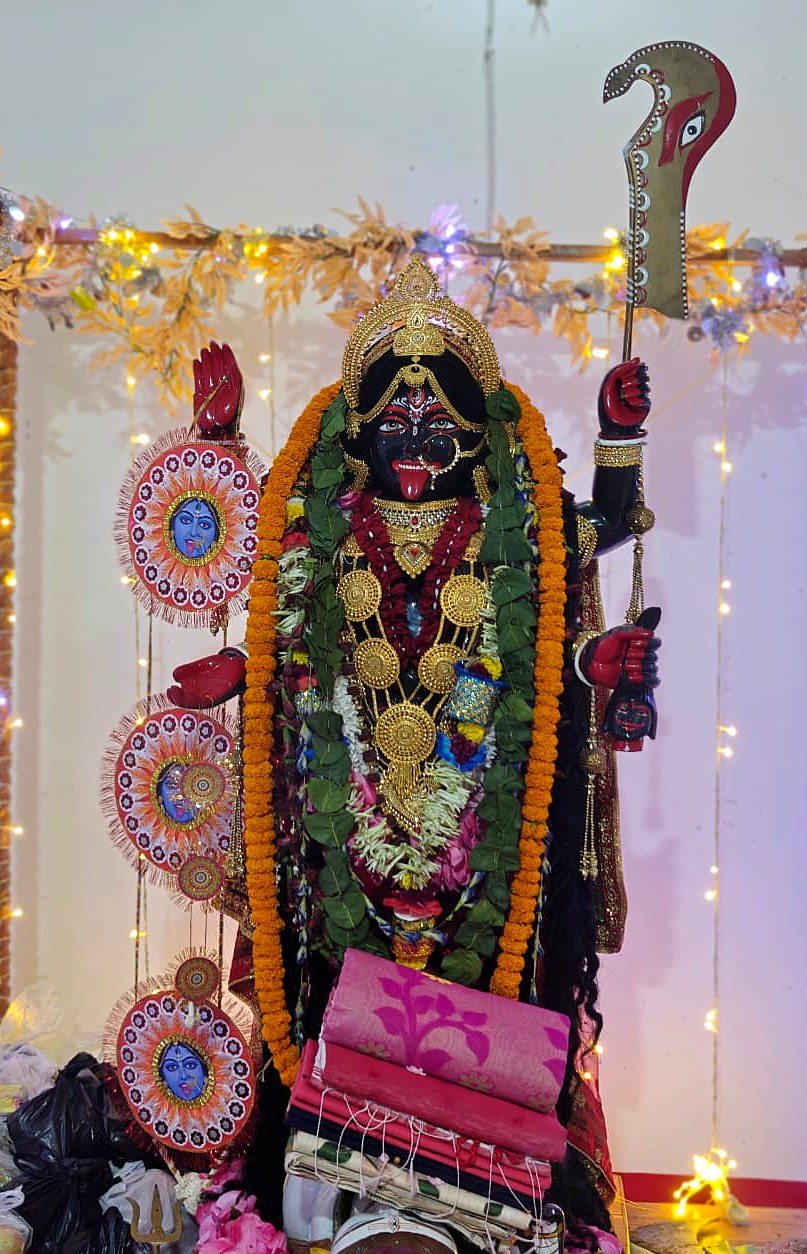
Tantra leaves no room for a “God of the Gaps”; it seeks the Divine through disciplined practice, direct experience, reason, and evidence.
A circular map of the ten Upanishads. Each planet opens a sourced introduction. Names around the inner orbit are living ideas the texts themselves speak.
Śākta knowledge constellation
Śākta knowledge constellation
Śakti
Devī Upanishad
Tripurā Upanishad
Bhāvanā Upanishad
Tripurātāpinī Upanishad
Bahvṛca Upanishad
Saubhāgyalakṣmī Upanishad
Sītā Upanishad
Sarasvatīrahasya Upanishad
Annapūrṇā Upanishad
Sāvitrī Upanishad
Brahman
Śakti
Prakṛti
Bhāvanā
Vidyā
Vāk
Sītā
Devī Upanishad — The gods ask the Great Goddess who She is, and She answers as the reality from which the world appears.Tripurā Upanishad — Tripurā is She of the three — a compact meditation on the Goddess through recurring triads.Bhāvanā Upanishad — The Śrīcakra can be contemplated as an interior map of the human being.Tripurātāpinī Upanishad — A difficult, layered text in which Tripurā, sacred speech, and mantra are contemplated as insight.Bahvṛca Upanishad — Devī alone is present at the beginning and brings forth the universe.Saubhāgyalakṣmī Upanishad — Saubhāgya is auspicious flourishing and spiritual completeness, heard through the Goddess Śrī.Sītā Upanishad — This Upanishad asks who Sītā is as primordial prakṛti and divine power, beside the epic of Vālmīki.Sarasvatīrahasya Upanishad — How does understanding arise so that its object becomes clear? Sarasvatī is sacred speech and insight.Annapūrṇā Upanishad — The title names the Goddess of fullness; the teaching moves into knowledge, mind, and the Self that lacks nothing.Sāvitrī Upanishad — Who is Savitṛ, and who is Sāvitrī? The text hears complementary pairs as a generative whole.